Introduction
Effective English as a Medium of Instruction (EMI) requires the integration of linguistic, pedagogical, and intercultural competencies. Research demonstrates that both English-medium and bilingual instruction can enhance students’ academic performance. For example, Miñoza et al. (2024) show that instruction delivered in both English and local languages effectively improves learners’ comprehension in subjects such as oral communication.
The development of teacher proficiency and pedagogical strategies is also essential for successful EMI implementation. Uehara and Kojima (2021) emphasize the need for targeted teacher training to strengthen English language skills, refine teaching approaches, and promote cultural sensitivity in the classroom.
Establishing a supportive institutional framework further strengthens EMI practice. School leaders and administrators play a key role in implementing top-down language management policies that encourage ongoing professional development in English proficiency (Lestariningsih & Kurniawati, 2022). This need is particularly evident in contexts where English is not the students’ first language, requiring educators to adapt instruction to support both content understanding and language acquisition (Ojha, 2022).
Additionally, collaboration between language teachers and subject specialists is a critical component of effective EMI implementation. Malmström and Zhou (2025) argue that such collaboration enhances instructional quality and promotes continuous improvement within higher education settings.
Collectively, these findings underscore that effective EMI teaching requires a comprehensive focus on language proficiency, pedagogical innovation, institutional support, and cross-disciplinary collaboration.
As EMI expands across Asian higher education, lecturers are expected not only to teach disciplinary content in English but also to facilitate understanding across linguistic and cultural boundaries. This section explores how these competencies intersect to define successful EMI practice.Linguistic Competence
Linguistic competence refers to a lecturer’s ability to use English effectively and appropriately in academic settings. It includes grammatical accuracy, vocabulary range, pronunciation clarity, and pragmatic control over language for lectures, discussions, and assessments. However, many studies in Asian EMI contexts highlight that native-like fluency is less important than intelligibility and strategic communication.
- Ensuring clarity and organization in academic discourse
- Adapting speech rate and vocabulary for multilingual classrooms
- Using visual and paralinguistic cues to support comprehension
“Linguistic proficiency in EMI is about communication, not perfection. The goal is to make knowledge accessible, not to imitate native speakers.”

Pedagogical Competence
Pedagogical competence involves designing, delivering, and evaluating lessons in ways that balance content mastery and language support. EMI teachers must scaffold learning for students whose English proficiency varies, ensuring that disciplinary knowledge remains accessible. This calls for flexible methodologies, such as:
- Integrating Content and Language Integrated Learning (CLIL) techniques
- Employing scaffolding strategies like paraphrasing, visuals, and guided questioning
- Encouraging student interaction through pair and group tasks
- Using formative assessment to monitor both content and language learning
Intercultural Competence
Intercultural competence equips teachers to navigate the cultural diversity of EMI classrooms, where learners bring varied communication styles, academic norms, and expectations. Developing this competence means fostering empathy, openness, and respect for difference—values essential for inclusive education.
Dimensions of Intercultural Competence:
- Knowledge: Understanding how culture influences learning and communication.
- Skills: Mediating misunderstandings and adapting communication styles.
- Attitudes: Demonstrating curiosity, tolerance, and global-mindedness.
“Intercultural competence is not an add-on to EMI; it is the lens through which effective teaching and learning occur.”

Integrating the Three Competencies
In reality, linguistic, pedagogical, and intercultural competencies are not separate domains but interdependent dimensions of EMI expertise. A linguistically competent teacher who lacks pedagogical strategies may fail to engage students, while a pedagogically sound instructor without intercultural awareness risks alienating learners. The best EMI practitioners integrate all three:
- They use English flexibly to support comprehension (linguistic)
- They scaffold learning effectively (pedagogical)
- They cultivate inclusion and respect (intercultural)
Building Competence through Professional Development
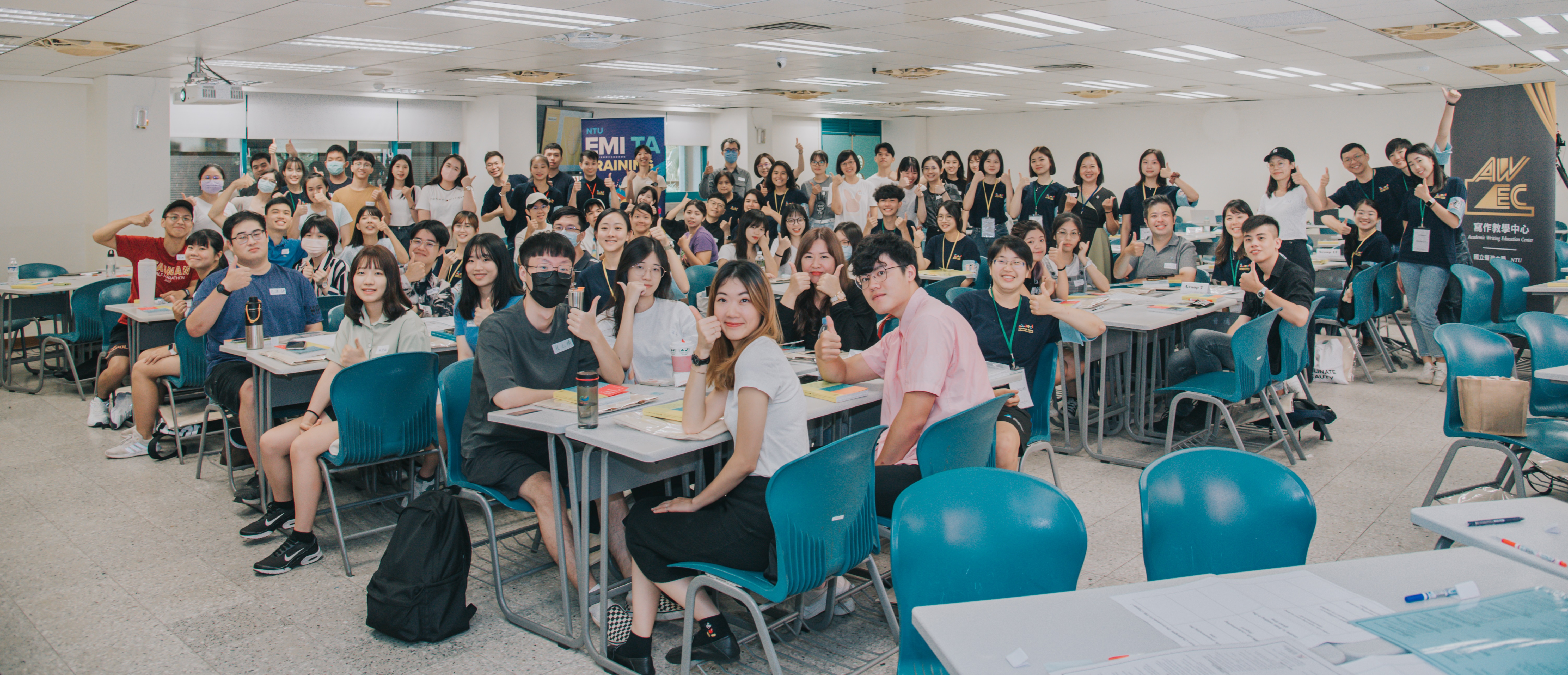
Universities across Asia are increasingly offering EMI-specific professional development programs. These initiatives often include workshops on academic English, classroom discourse analysis, and cross-cultural communication. Collaborative peer observation and reflective teaching portfolios are also effective tools for continuous improvement.
Reflection and Discussion
🗣️ Prompt: Reflect on your own EMI teaching or learning experience. Which of the three competencies do you feel most confident in, and which one requires more development? How can you strengthen this area through professional practice?
References
Lestariningsih, F., & Kurniawati, L. (2022). Engaging busy teachers of young learners in in-service English training. EDULITE: Journal of English Education, Literature and Culture, 7(1), 59–70. https://doi.org/10.30659/e.7.1.59-70
Malmström, H., & Zhou, S. (2025). Language–subject teacher collaboration in English-medium higher education: Current practices and future possibilities. RELC Journal. https://doi.org/10.1177/00336882241313234
Miñoza, J., Albiso, M., Armas, A., & Calisang, A. (2024). EMI or bilingual instruction? An experimental study in the teaching of oral communication among Philippine senior high school students. International Journal of Education, 17(1), 1–8. https://doi.org/10.17509/ije.v17i1.61456
Ojha, J. (2022). Attitudes of secondary level teachers towards EMI in English medium schools of Mahendranagar. Journal of Bhuwanishankar, 1(1), 91–102. https://doi.org/10.3126/jobs.v1i1.49498
Uehara, T., & Kojima, N. (2021). Prioritizing English-medium instruction teachers’ needs for faculty development and institutional support: A best–worst scaling approach. Education Sciences, 11(8), 384. https://doi.org/10.3390/educsci11080384