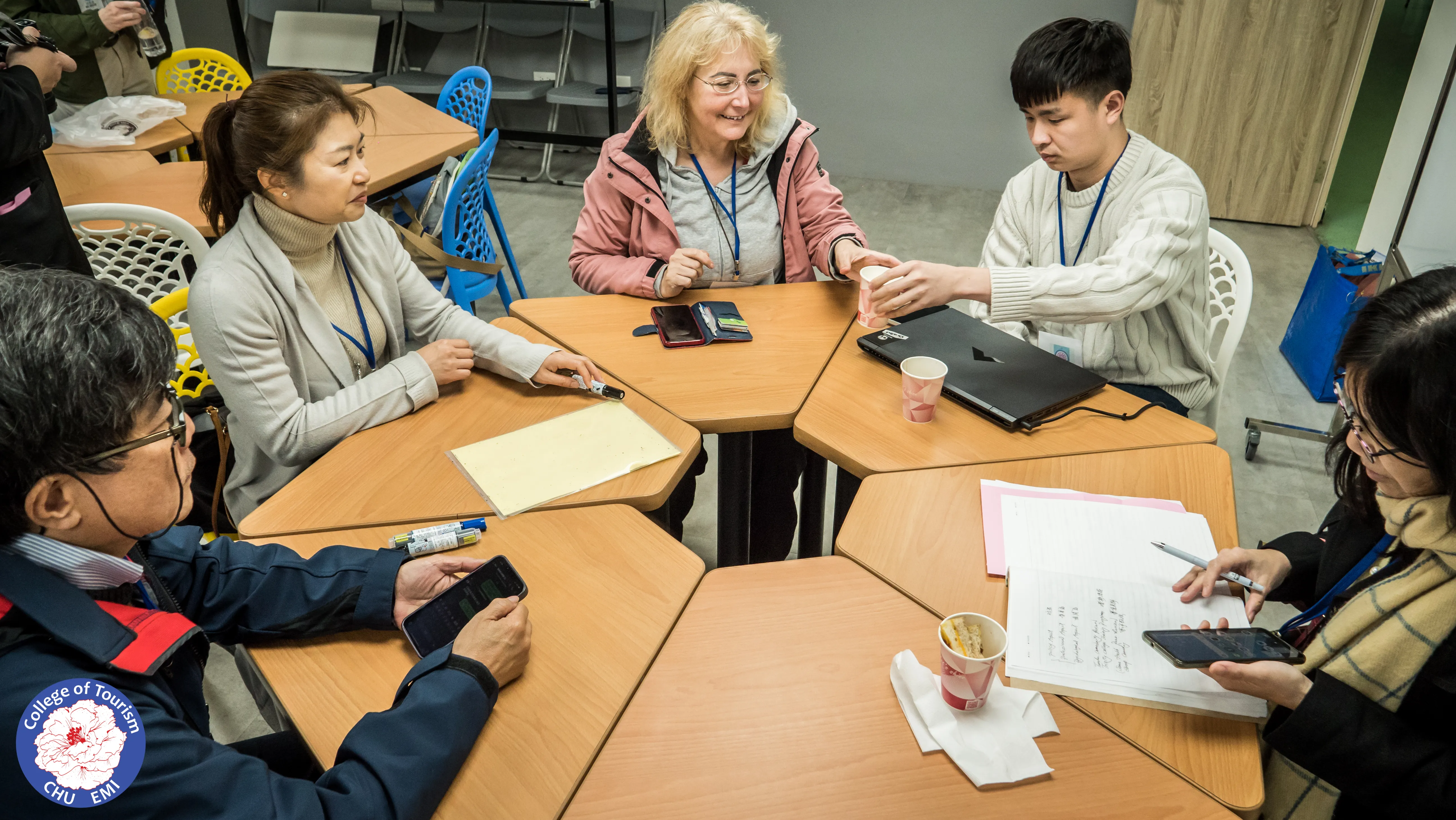
Exploring flexible language practices in English-Medium Instruction classrooms
Understanding Code-Switching
Code-switching refers to the strategic alternation between two or more languages within a single communicative episode. In English-Medium Instruction (EMI) classrooms, it often manifests when teachers or students shift from English to the local language (e.g., Vietnamese, Thai, or Mandarin) to clarify meaning, emphasize a concept, or build rapport. This linguistic fluidity reflects the dynamic bilingual competence of EMI participants rather than a deficiency in English proficiency.
Key Insight: Effective code-switching supports comprehension, maintains classroom inclusivity, and bridges cultural meanings that may otherwise be lost in English-only discourse.
Research in English-Medium Instruction (EMI) contexts across Asia demonstrates that judicious code-switching plays
a significant role in enhancing students’ cognitive access to disciplinary content. Code-switching functions as a
pragmatic instructional strategy used by both instructors and students to bridge comprehension gaps arising from
limited linguistic proficiency and to support deeper engagement with complex subject matter
(Muttaqin & Chuang, 2023; Si, 2023).
Specifically, code-switching contributes to clearer instructional communication by enabling teachers to clarify concepts,
respond to students’ linguistic needs, and create a more inclusive classroom environment where learners feel encouraged
to participate (Alhamami, 2023; Si, 2023). While EMI can expand educational access and provide greater exposure to
global academic resources, the linguistic challenges inherent in EMI settings highlight the value of incorporating
students’ mother tongues to support both cognitive understanding and emotional confidence
(Alhamami, 2023; Richards & Pun, 2021).
These findings align with research indicating that effective EMI instruction requires recognition of linguistic diversity,
especially in multilingual classrooms. In such contexts, instructors often employ strategic code-switching to sustain
student engagement, ensure comprehension, and maintain meaningful participation during lessons
(Si, 2023; Richards & Pun, 2021).
From Code-Switching to Translanguaging
Translanguaging and code-switching represent distinct yet interconnected approaches to language use in
multilingual educational contexts. While code-switching refers to the alternating use of different linguistic
systems as separate and bounded entities, translanguaging conceptualizes language as an integrated and
fluid process whereby learners draw on their full linguistic repertoires to construct meaning and support learning.
Translanguaging pedagogy is grounded in the recognition of students’ authentic linguistic practices, encouraging them
to utilize all available linguistic resources to enhance comprehension, participation, and critical thinking.
Research demonstrates that translanguaging can significantly improve academic performance by enabling learners to
negotiate meaning and understand complex ideas more effectively
(Yuan & Yang, 2020; Чайка, 2023; Harvey & Wong, 2024).
By contrast, code-switching has at times been critiqued for reinforcing a more structuralist view of language that
treats languages as fixed and separate systems, which may constrain the richness and flexibility of language practices in
educational settings (Prilutskaya, 2020). While it remains a useful communicative strategy, especially in
English as a Medium of Instruction (EMI) classrooms, it does not fully reflect the dynamic linguistic realities of
many multilingual learners.
Therefore, although both translanguaging and code-switching are common in multilingual and EMI environments,
translanguaging offers a more holistic and learner-centered approach that aligns closely with the diverse
linguistic repertoires and lived experiences of students (Yuan & Yang, 2020).
“Translanguaging is not simply switching codes; it is a pedagogical space where multiple languages coexist, interact, and empower learning.”
Translanguaging pedagogy aligns with constructivist learning theories: students are not passive recipients of English input but active meaning-makers who connect disciplinary concepts to lived experiences. Teachers who embrace translanguaging often notice increased participation and reduced anxiety, especially among students with varying English proficiency levels.
Clarification: Use L1 strategically to explain complex terms or instructions.
Affirmation: Allow students to brainstorm or discuss concepts in their stronger language before presenting in English.
Scaffolding: Pair bilingual resources (slides, glossaries, visuals) to ease transition from L1 understanding to L2 production.
Feedback: Provide bilingual written or oral comments to support deep comprehension.
Pedagogical Tip: The goal is not to eliminate local languages but to use them as tools that sustain engagement and enhance disciplinary literacy.
Teachers can also integrate translanguaging through peer collaboration. For example, mixed-language groups may first analyze a reading in L1, then synthesize findings in English, reinforcing conceptual understanding through cognitive reciprocity. Such practices validate multilingual identities and foster academic confidence.
Challenges and Ethical Considerations
Despite pedagogical benefits, both code-switching and translanguaging can be controversial in EMI settings where institutional policies mandate “English-only” instruction. Teachers may fear judgment or lower evaluations if they deviate from monolingual norms. Furthermore, inconsistent practices can cause inequity when not all students share the same L1.
Ethical EMI practice involves transparency: explaining to students why and when non-English use supports learning. Clear guidelines—developed at departmental or institutional levels—help balance authenticity and accountability in bilingual classroom management.
“A responsible EMI educator navigates between linguistic inclusivity and institutional expectations, ensuring both access and academic rigor.”
References
Alhamami, M. (2023). Instructional communication and medium of instruction: Content instructors’ perspectives.
SAGE Open, 13(2).
https://doi.org/10.1177/21582440231172713
Harvey, R., & Wong, K. (2024). Promoting emergent literacy in preschool through extended discourse: Covert translanguaging in a Mandarin immersion environment.
Journal of Early Childhood Literacy, 24(3), 663–691.
https://doi.org/10.1177/14687984241276292
Muttaqin, S., & Chuang, H. (2023). English for specific purposes, English proficiency, and academic achievement in English-medium instruction: A mediation analysis.
KNE Social Sciences.https://doi.org/10.18502/kss.v8i7.13259
Prilutskaya, M. (2020). Writing in L2: Norwegian students’ use of translanguaging at the draft stage.
Nordic Journal of Modern Language Methodology, 8(2), 1–26.
https://doi.org/10.46364/njmlm.v8i2.677
Yuan, R., & Yang, M. (2020). Towards an understanding of translanguaging in EMI teacher education classrooms.
Language Teaching Research, 27(4), 884–906.
https://doi.org/10.1177/1362168820964123